
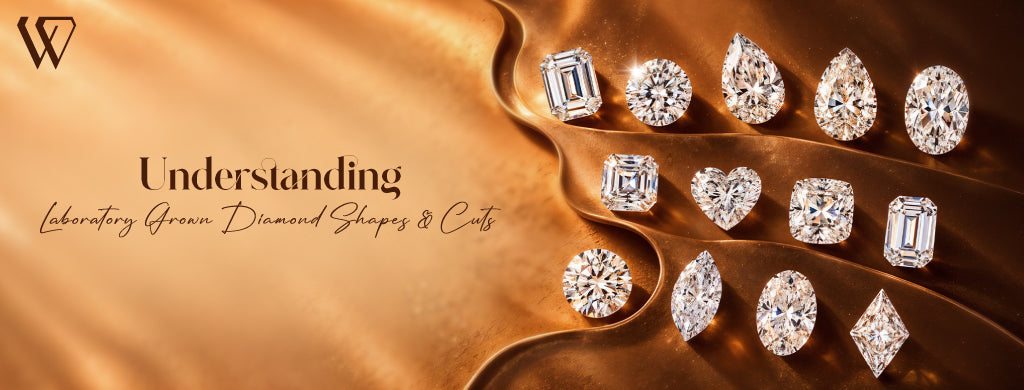
A Guide to Laboratory Grown Diamonds Shapes & Cuts
A Guide to Laboratory Grown
Diamonds Shapes & Cuts
A diamond is more than just a sparkling stone. It is a reflection of your personality, your style and sometimes, a story you want to carry forever.
But with so many beautiful shapes to choose from, how do you find the one that feels just right?
If you love the timeless charm of a round diamond , the modern elegance of an oval or the distinctive appeal of a pear-shaped stone, understanding diamond shapes can make your jewellery-shopping journey much easier.
And the best part? Laboratory grown diamonds offer you all these stunning possibilities, giving you more freedom to explore designs that match your taste and budget.
Let's discover the most popular laboratory grown diamond shapes, what makes each one special and how to choose the perfect one for you.
Understanding the Basics
What Are Lab-Grown Diamond Shapes and Cuts?
Before choosing your favourite diamond, it helps to understand two terms: shape and cut.
A diamond's shape refers to its outline when viewed from above. Round, oval, pear and heart are some popular examples.
Cut, on the other hand, refers to how the diamond's facets are arranged and proportioned to interact with light. This influences its brilliance, fire, and sparkle.
Think of it this way: shape gives your diamond its personality, while cut helps bring that personality to life.
Laboratory grown diamonds have the same essential chemical composition and crystal structure as natural diamonds. They are created using advanced technology rather than forming naturally underground, and they are available in a wide variety of shapes and cutting styles.
Explore Every Possibility
10 Popular Lab-Grown Diamond Shapes You Should Know
Every diamond shape has a different character. Here are ten styles worth exploring before making your choice.
01
Round Brilliant
The Timeless Classic
If you believe classic never goes out of style, the round brilliant diamond is for you. Its carefully arranged facets are designed to maximise light return, creating the familiar sparkle that diamonds are loved for.
Best for: Solitaire rings, everyday jewellery and timeless engagement rings.
02
Oval
Elegance with a Modern Twist
Love the brilliance of a round diamond but want something a little different? The oval shape combines graceful curves with an elongated silhouette. It can also create the illusion of a larger stone when viewed from above.
Best for: Modern engagement rings, delicate pendants and statement rings.
03
Princess
Bold, Beautiful and Contemporary
With its square outline and brilliant faceting, the princess cut brings a contemporary edge to diamond jewellery. Its clean geometry makes it an excellent choice for those who love structured, modern designs.
Best for: Minimalist rings, contemporary earrings and geometric jewellery.
04
Emerald
Understated Luxury
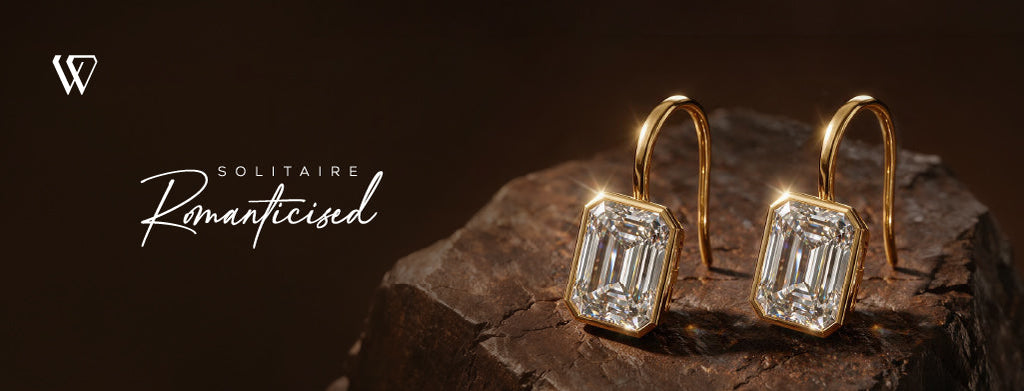
The emerald cut is all about sophistication. Its long, step-cut facets create broad, mirror-like flashes rather than the intense sparkle associated with brilliant cuts.
Best for: Elegant rings, refined pendants, and jewellery with a vintage-inspired aesthetic.
05
Cushion
Soft Edges, Romantic Appeal
Imagine a square or rectangle with softly rounded corners. That's the charm of a cushion-cut diamond. Its gentle silhouette and varied faceting styles make it a favourite for romantic, vintage-inspired designs.
Best for: Engagement rings, halo settings, and classic statement pieces.
06
Pear
A Beautiful Drop of Brilliance
Combining a rounded end with a pointed tip, the pear shape resembles a sparkling teardrop. It is distinctive without being overly dramatic and can create an elongated appearance on the finger.
Best for: Drop earrings, pendants, and unconventional engagement rings.
07
Marquise
Made to Stand Out
Long, slender, and pointed at both ends, the marquise diamond has a striking silhouette. Its elongated shape can offer an impressive face-up appearance for its carat weight.
Best for: Bold rings, fashion-forward jewellery, and statement designs.
08
Radiant
The Best of Both Worlds
The radiant cut combines a square or rectangular outline with brilliant-style faceting. The result is a structured shape with plenty of sparkle.
Best for: Contemporary engagement rings and glamorous statement jewellery.
09
Asscher
Vintage Charm Meets Geometry
With its square outline, cropped corners, and step-cut facets, the Asscher diamond has a distinctive Art Deco character. Its beauty lies in symmetry, clarity and architectural elegance.
Best for: Vintage-inspired rings and refined, minimalist designs.
10
Heart
A Shape That Speaks for Itself
Few diamond shapes are as instantly symbolic as the heart. Romantic, expressive and unmistakable, it is a wonderful choice for jewellery that celebrates love or a meaningful personal milestone.
Best for: Romantic pendants, anniversary gifts, and distinctive rings.
Finding Your Match
How to Choose the Right Laboratory Grown Diamond Shape
With so many beautiful options, choosing one can feel overwhelming. Here's a simple way to narrow down your choices.
- Love maximum sparkle? Start with a round brilliant or radiant diamond.
- Prefer a sleek, elongated look? Explore oval, pear, or marquise shapes.
- Love clean lines? Consider princess, emerald or Asscher cuts.
- Drawn to vintage-inspired designs? Cushion and Asscher shapes are worth exploring.
- Want something symbolic and unique? A heart-shaped diamond might be your perfect match.
Remember, these are starting points, not strict rules. Your personal style matters more than any trend.
Also, don't judge a diamond by carat weight alone. Two diamonds with the same carat weight can look different in size because of their proportions and dimensions. Always examine the actual measurements, symmetry and appearance of the stone before buying.
Know the Difference
Laboratory Grown vs Natural Diamonds: Does Shape Make a Difference?
When comparing laboratory grown vs natural diamonds, the biggest distinction is their origin.
Natural diamonds form over geological timescales beneath the Earth's surface, while laboratory grown diamonds are created in controlled environments using advanced technological processes.
Both can be cut into the same popular shapes, from round brilliant to emerald and pear. Both can also display the brilliance and fire associated with diamonds.
The shape itself does not determine whether a diamond is lab-grown or natural. Instead, the origin, quality, grading details and price are important factors to consider when making your choice.
An Honest Answer
Are Laboratory Grown Diamonds Worth Buying?
If you want the look and essential material properties of a diamond while exploring more options within your budget, laboratory grown diamonds are certainly worth considering.
One of their biggest advantages is affordability. But why are laboratory grown diamonds cheaper?
They can be produced in controlled environments without the geological exploration and mining processes associated with natural diamonds. Their market pricing is also influenced by production technology, supply, demand and changing consumer preferences.
This price difference may allow you to explore a larger stone, a more intricate setting or a shape you've always wanted without stretching your budget as much.
However, diamonds should not be viewed as guaranteed financial investments. Laboratory grown and natural diamonds can both experience changes in resale value, so purchase decisions are best based on personal preference, quality and budget.
Make an Informed Purchase
How to Buy Certified Laboratory Grown Diamonds
A beautiful diamond should also be a well-informed purchase. Here's what to check before you buy:
Check the certification
Look for an independent grading report from a recognised gemological laboratory, such as IGI, where applicable.
Understand the 4Cs
Compare cut, colour, clarity, and carat weight rather than focusing on size alone.
Examine the shape
View the diamond from different angles and, where possible, watch a video to assess its sparkle and symmetry.
Review the details
Verify the report number, measurements, grading information, and lab-grown origin.
Understand the policies
Ask about warranties, resizing, exchanges, buybacks and any applicable terms before purchasing.
If you're exploring the best laboratory grown diamond brands in India, compare their product range, certification practices, design variety, pricing transparency and after-sales support. A good brand should help you understand what you're buying rather than simply sell you a beautiful piece.
Budget-Friendly Elegance
Best Engagement Rings Under ₹50,000: Which Shape Should You Choose?
A memorable engagement ring doesn't have to come with an extravagant price tag. If you're searching for the best engagement rings under ₹50,000, laboratory grown diamonds can open up more design possibilities, depending on the diamond specifications, metal and setting.
Consider a round solitaire for timeless elegance, an oval ring for a contemporary look or a cushion-shaped design for romantic charm. If you prefer something distinctive, a pear-shaped ring can offer a beautiful alternative.
Compare the complete ring price, including the diamond, metal, making charges and applicable taxes. Prices vary by brand and design, so confirm current pricing before making your decision.
Your Perfect Shape Awaits
Find the Shape That
Find the Shape That
Feels Like You
The perfect diamond isn't necessarily the biggest, rarest or most expensive one. It's the one that makes you stop, look twice and think, that's the one.
From the classic brilliance of a round diamond to the modern appeal of an oval or the romance of a heart shape, laboratory grown diamonds offer countless ways to express your individuality.
Take your time, explore different shapes, compare certified stones and choose a design that feels right for your style and budget.
Because when it comes to diamonds, the most beautiful choice isn't simply about how they sparkle. It's about what that sparkle means to you.
Related post
13
Oct